Your Shopping Bag
Your Bag Is Empty
Apply Coupon
History | Our Journey

History

A cooperative journey built by farmers, strengthened by innovation, and connected to millions of consumers.

Our Journey

A Legacy Built by Farmers

The history of Amul is closely connected with the development of India's dairy cooperative movement.

The Beginning of a Cooperative Movement

The cooperative dairy journey began in Gujarat in 1946, when milk producers in the Kaira region came together to address challenges associated with milk collection, pricing and market access.

Under the leadership of Tribhuvandas K. Patel, farmers developed a cooperative approach that enabled producers to collectively organise milk procurement and connect with larger markets.

This farmer-centred model created a foundation for a system in which milk producers could participate in the cooperative structure while benefiting from organised collection, processing and marketing.

Milestones

Our Historical Journey

1946

The Cooperative Begins

Milk producers in Kaira district came together to establish a cooperative system that gave farmers greater collective control over milk procurement and marketing.

1949

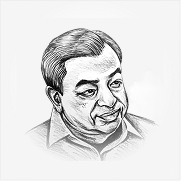
Dr. Verghese Kurien Joins

Dr. Verghese Kurien joined the organisation and later played a major role in developing professional management and dairy technology within the cooperative movement.

1950s

Technology & Expansion

Advances in dairy processing and milk powder technology helped demonstrate the potential of India's dairy resources and supported the growth of organised dairy production.

1970

The White Revolution

India's dairy cooperative movement expanded significantly through Operation Flood and the wider adoption of the cooperative dairy model.

1973

Formation of GCMMF

The Gujarat Cooperative Milk Marketing Federation Ltd. was established as the apex marketing organisation for member milk unions in Gujarat.

Today

A Growing Dairy Network

The cooperative system continues to connect milk producers, village societies, district unions, processing facilities and consumer markets.

The White Revolution

Beginning in the 1970s, Operation Flood helped expand India's organised dairy network. The programme connected milk producers with growing urban markets and supported the development of milk collection, processing, transportation and distribution infrastructure.

The Anand cooperative experience provided an important foundation for the development of India's wider dairy cooperative movement.

Cooperative Structure

The Three-Tier Model

The Anand Pattern connects individual milk producers with organised dairy processing and consumer markets.

01

Village Dairy Cooperative Society

At the village level, milk producers become members of a dairy cooperative society. The society collects milk from members and supports organised milk procurement.

02

District Milk Union

Village-level societies are connected with district milk unions responsible for milk procurement, processing, quality management and transportation.

03

State-Level Federation

District milk unions are brought together through a state-level cooperative federation responsible for major marketing and distribution functions.

Dairy Development

From Milk Collection to Consumer

Modern dairy operations connect farmers with consumers through a coordinated chain of collection, processing and distribution.

Milk Collection

Milk is collected through organised cooperative networks and undergoes quality checks before processing.

Processing

Dairy facilities process milk into a variety of products using modern quality and food-processing systems.

Distribution

Processed dairy products are packaged and distributed through organised supply and marketing networks.

Building a Recognised Brand

The development of the Amul brand was supported by distinctive marketing and advertising. The Amul Butter campaign introduced the famous Amul Girl, whose topical advertisements became a recognised part of Indian popular culture.

The campaign's use of humour, topical references and simple visual communication helped establish a distinctive identity for the brand over the decades.

Our Legacy

A Cooperative Legacy

The history of Amul represents the development of a farmer-centred cooperative system in which milk producers participate collectively in procurement, processing and marketing.

From a local initiative in Gujarat to a major part of India's dairy cooperative movement, the journey has been shaped by collective participation, dairy technology, professional management and organised marketing.

"Farmers come together, cooperatives create collective strength, and that strength connects producers with consumers."

Explore Our Story

Discover more about the cooperative model, products and opportunities associated with the dairy movement.

Learn More